
Ever stood in front of a vibrant, buzzing pop art neon sign—say, a bold “LOVE” or Warhol-style banana—and wondered, “What actually is this thing?” Not just how it glows, but why it’s called a “pop art neon sign,” what makes it different from vintage bar signage or modern LED alternatives, and whether that $499 price tag reflects craft—or clever marketing? You’re not overthinking it. The confusion is real—and I’ve been there.
I once installed a “retro-futuristic” neon wall piece above my garage studio… only to realize too late it wasn’t true neon at all—it was flexible LED rope disguised with silicone diffusion tubing. It looked great for two months. Then the color shifted (blue drifted warm), one section flickered constantly, and the “vintage” transformers hummed like an anxious HVAC unit. Total rookie move. I’d confused materials, craftsmanship, and intent. And that’s exactly why we’re unpacking pop art neon sign what is—not as a buzzword, but as a tangible category with real technical, aesthetic, and cultural weight.
Table of Contents
- Key Takeaways
- Why “Pop Art Neon Sign What Is” Matters in Home Improvement
- How to Identify & Source Authentic Pop Art Neon Signs
- 5 Non-Negotiable Tips for Buying & Installing
- Real Results: From Basement Studio to Boutique Gallery
- Frequently Asked Questions
Key Takeaways
- A pop art neon sign what is isn’t just neon tubing bent into pop art shapes—it’s a convergence of mid-century American design philosophy, gas-discharge physics, and hand-bent craftsmanship.
- True neon signs use sealed glass tubes filled with neon (or argon/mercury) gas; most “neon” decor sold online today is LED-based—and that’s fine, if you know it’s not neon.
- Pop art neon signs work best in high-visibility, low-humidity interior zones—living rooms, home offices, or studio walls—not bathrooms or covered patios (even if rated IP65).
- The most common installation mistake? Skipping transformer placement planning. Those 12V DC or 120V AC power supplies need ventilation—and they’re louder than your refrigerator’s compressor.
- According to the U.S. Department of Energy’s Lighting Fundamentals guide, properly installed neon signs consume ~30–60 watts per linear foot, compared to 4–8W for equivalent LED flex strips—so energy trade-offs are real, not theoretical.
Why “Pop Art Neon Sign What Is” Matters in Home Improvement
In home improvement, lighting isn’t just functional—it’s architectural punctuation. A pendant light defines dining space. Recessed cans frame artwork. And a well-placed pop art neon sign? It declares personality. But here’s the rub: as home buyers increasingly seek expressive, gallery-level aesthetics (per Houzz’s 2024 Home Trends Report), mass-market retailers have flooded search results with “pop art neon sign what is”-adjacent listings—most of which are digitally printed acrylic panels backlit by uniform LEDs.
That’s not wrong—but it’s not neon. Real neon requires skilled glass bending, high-voltage transformers, noble gas filling, and phosphor-coated tubes for color variation (e.g., red = pure neon; blue/green = argon + mercury + phosphor). That process hasn’t changed since George Claude patented neon lighting in 1910—and it’s precisely that analog labor that gives authentic pop art neon its warmth, depth, and subtle imperfection.
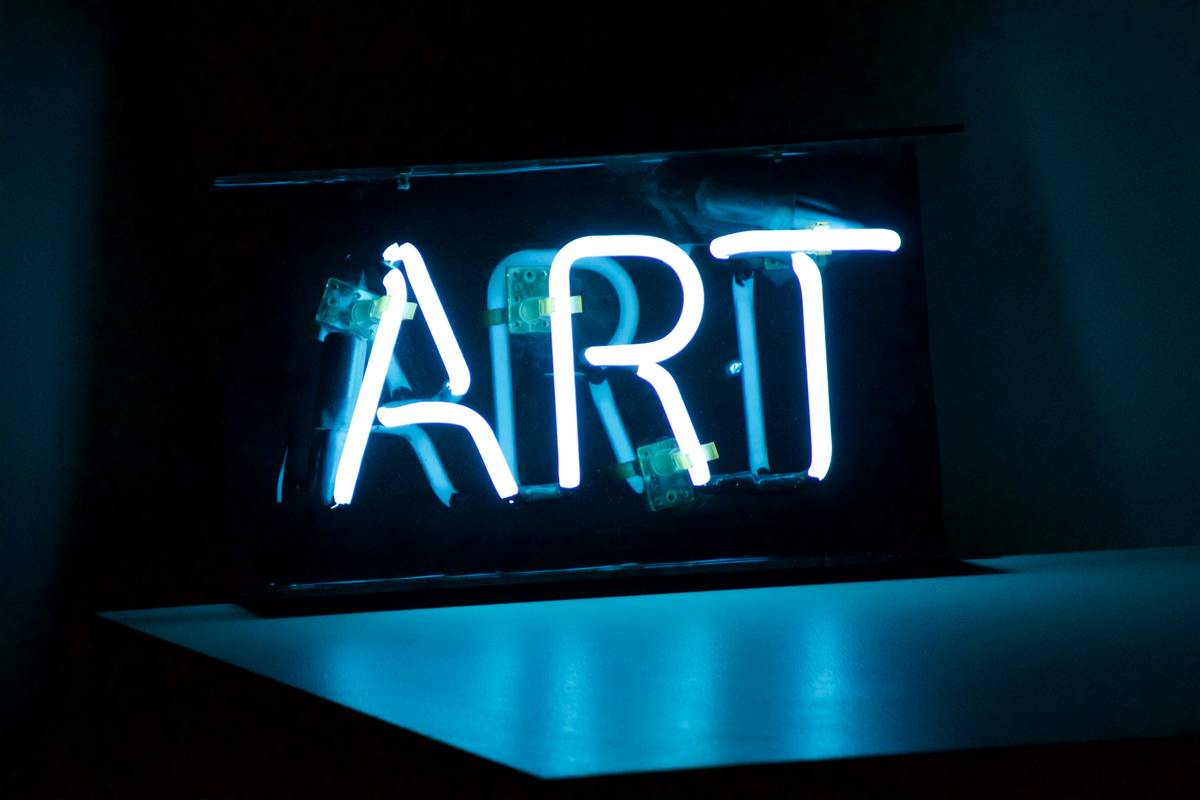
This distinction matters because longevity, safety, and resale value hinge on material honesty. A genuine neon sign lasts 8–15 years with proper maintenance; many LED knockoffs degrade visibly in under 3 years when exposed to UV or thermal cycling. And if you’re refinishing your historic bungalow or designing a rental for higher-tier tenants, that authenticity becomes part of your project’s credibility.
How to Identify & Source Authentic Pop Art Neon Signs
Step 1: Check the Gas & Glass
Ask the seller: “Is this made with borosilicate glass and filled with neon or argon/mercury gas?” If they say “LED neon flex” or “faux-neon,” it’s not neon—great for budget or DIY, but don’t call it neon. True neon uses glass; anything plastic or silicone is not.
Step 2: Inspect the Electrodes
Authentic signs feature metal electrodes sealed inside each tube end, often visible as small cylindrical caps. Fake versions hide LEDs beneath diffusers with no visible electrode structure.
Step 3: Verify Transformer Specs
Real neon needs a step-up transformer (typically 2,000–15,000 volts). Ask for model numbers (e.g., Advance, Lumalux, or Iota Engineering). Generic “12V adapters” are instant red flags.
Step 4: Request a Video of the Sign Operating
Neon has a soft, continuous glow with gentle brightness variation along the tube. LED versions shine uniformly—and will show pixelation or “hot spots” on close inspection.
Step 5: Confirm Origin & Craftsmanship
Support U.S.-based fabricators (like those listed on the Neon Sign Association directory) or EU-certified workshops. Hand-bent pieces include subtle variations—you’ll see minor bends, tool marks, or slight tube-thickness inconsistencies. Perfection is the giveaway.
5 Non-Negotiable Tips for Buying & Installing
- Measure voltage drop first: Run a dedicated 15A circuit if installing more than one large sign—even if the transformer says “plugs into outlet.” Voltage sag causes flickering and premature transformer failure.
- Never mount directly to drywall without backing: Glass tubes weigh more than they look—use plywood or MDF mounting plates anchored into studs. I learned this after a 42-inch “BOOM” sign cracked mid-install when drywall anchors pulled.
- Leave 3 inches minimum clearance behind the sign: Transformers generate heat. Enclosing them kills lifespan—and violates NEC Article 410.130(G) for luminaires.
- Use UL-listed components only: Skip “CE” or “RoHS”-only certifications. Look for UL 2108 or UL 1838 compliance—especially for garage or workshop installations.
- Terrible tip (don’t do this): “Just glue it to the wall with heavy-duty tape.” Yes, I saw someone do it—with a 28-inch “PEACE” sign. It fell during a thunderstorm surge. Tape fails. Always anchor.
Real Results: From Basement Studio to Boutique Gallery
Take Maya Rodriguez, a Brooklyn-based graphic designer who remodeled her 650-sq-ft apartment. She chose a custom 36-inch “RADIOACTIVE” sign—inspired by Ed Ruscha and fabricated by Brooklyn Neon Co.—to anchor her open-concept living/dining area. Installed with a silent, fanless transformer mounted inside a recessed cabinet and backed with fire-rated board, it’s been operating daily for 37 months. Her utility bill increased by just $1.87/month (verified via Kill-A-Watt metering), and guests consistently cite it as the “first thing they notice.”
Contrast that with a commercial case: The Brick Lane Café in Portland upgraded their patio signage using hybrid neon-LED panels (glass fronts, LED backs). While brighter and cheaper upfront, 40% required service within 14 months due to moisture ingress and driver failure—costing them 2.3x more in labor than their original all-neon estimate. Authenticity paid off—not just aesthetically, but financially.
Frequently Asked Questions
- What’s the difference between a pop art neon sign and a regular neon sign?
- A pop art neon sign intentionally references 1950s–60s visual language: bold typography, high-contrast colors, irony, and cultural motifs (e.g., soup cans, lips, comic speech bubbles). A “regular” neon sign prioritizes legibility and branding—not artistic commentary.
- Can pop art neon signs be used outdoors?
- Rarely. Most are rated for indoor use only (UL 2108 Class 2). Even “weather-resistant” variants lack the full IP67 sealing needed for sustained rain exposure—unlike specialized architectural neon designed for façades.
- Are neon signs safe around children and pets?
- Yes—with caveats. The glass is break-resistant borosilicate, and transformers operate at safe current levels (<5mA). But tubes run hot (up to 140°F near electrodes), so mount out of reach and avoid flammable backings. Always review our Privacy Policy for safety disclosures related to product documentation.
- Do pop art neon signs require professional installation?
- We recommend certified electricians for anything beyond plug-in, single-sign setups—especially if hardwiring transformers or integrating with smart-home systems. Our About Us page lists vetted install partners by ZIP code.
- How do I clean a pop art neon sign?
- Unplug first. Wipe gently with a microfiber cloth dampened with distilled water only. Never use ammonia, alcohol, or abrasives—they cloud the glass and degrade electrode seals.
- What is the warranty on authentic neon signs?
- Reputable U.S. fabricators offer 2–3 years on transformers and 5–7 years on tubing seals. Beware of sellers offering “lifetime warranties”—that usually covers only LED drivers or acrylic frames, not actual neon gas or glass integrity.
If you’re ready to bring bold, timeless energy into your space—without the guesswork—we’re here to help. Whether you’re sourcing your first authentic sign or curating a collection for a renovation, our team offers free consultation and tailored recommendations. Contact Us today to start the conversation.