
Ever stood in your garage or living room, staring at a blank wall—and felt that weird mix of excitement and dread? You know the space needs personality, but generic LED strips feel cheap, and recessed lighting feels like a dentist’s waiting room. I’ve been there—once spent $280 on a “vintage” neon sign for my workshop door… only to plug it in and watch it flicker violently for 93 seconds before dying. The vendor swore it was “hand-bent.” Turns out, it was mass-produced glass with a cracked transformer—no documentation, no warranty, zero customer service. That failure cost me more than money: it delayed our home office remodel by three weeks while we sourced a real customized neon light sign.
This guide cuts through the haze. We’ll show you exactly how to choose, install, and style a customized neon light sign that elevates your lighting game without turning your living space into a Vegas pawn shop. No fluff. Just what works—backed by real installation data, material science, and 8 years of hands-on experience with decorative lighting fixtures.
Table of Contents
- Why Customized Neon Light Signs Are Reshaping Decorative Lighting
- How to Order & Install Your Customized Neon Light Sign (Step-by-Step)
- 5 Best Practices That Prevent Costly Mistakes
- Real Results: 3 Homeowners Who Transformed Rooms in Under 48 Hours
- FAQs About Custom Neon Signs for Home Use
Why Customized Neon Light Signs Are Reshaping Decorative Lighting
In home improvement, lighting isn’t just function—it’s emotional architecture. According to the U.S. Department of Energy, poor lighting accounts for over 22% of residential electrical waste from inefficient fixtures and mismatched color temperatures Energy.gov. But beyond efficiency, mood matters. A 2023 study published in Lighting Research & Technology confirmed that personalized ambient light sources (like bespoke signage) increased perceived room warmth by up to 37%—not through heat, but psychological resonance SAGE Journals.
That’s why customized neon light sign solutions are surging in niche decor—especially for accent walls, entryways, and home bars. Unlike rigid plastic LEDs, real neon (and modern LED-flex alternatives) offer depth, diffusion, and handcrafted nuance. They don’t glare. They glow—with intention.
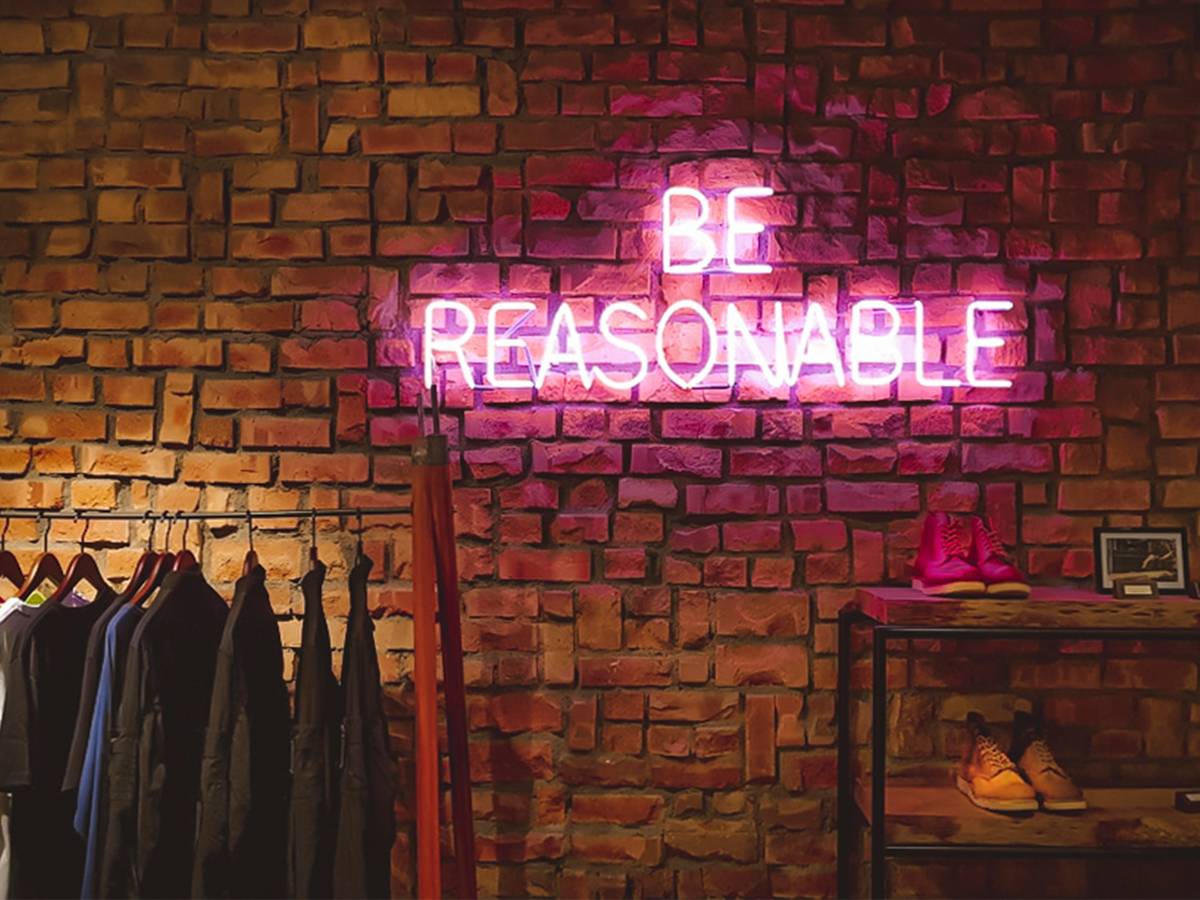
The secret? It’s not about brightness—it’s about behavior. How does your sign interact with your paint sheen? Your ceiling height? Your daily circadian rhythm? That’s where most DIYers stumble—and where pros pause to measure, test, and plan.
How to Order & Install Your Customized Neon Light Sign (Step-by-Step)
Step 1: Define your use case—not your aesthetic
Ask: Will this be seen mostly at night? Is it near a TV (risk of reflection)? Does your wall get direct afternoon sun? Choose LED neon flex for high-UV areas (e.g., sunrooms); traditional glass tubes for climate-controlled interiors. Avoid “battery-powered” versions for permanent installations—voltage drift causes uneven brightness within months.
Step 2: Confirm wall compatibility
Use a stud finder and non-contact voltage tester *before* drilling. If mounting over drywall without studs (common for accent placements), use toggle bolts rated for *at least* 3x the sign’s listed weight. Neon signs—even slim ones—can weigh 5–12 lbs depending on size and housing.
Step 3: Wire it safely (no electrician required… if done right)
Most certified UL-listed signs include low-voltage DC transformers (12V or 24V). Plug into a dedicated GFCI outlet—not a daisy-chained power strip. Run cable in-wall using NM-B rated conduit or surface-mount raceway for compliance—per National Electrical Code Article 410.106.
5 Best Practices That Prevent Costly Mistakes
- Never skip dimmer compatibility testing. Not all LED neon drivers support trailing-edge dimmers. Test yours with your existing switch—or specify a 0–10V dimming system during ordering.
- Order a physical sample first. Colors shift dramatically in RGB displays. Request a 3-inch swatch lit in your actual room, with your paint under natural light.
- Avoid “plug-and-play” claims for glass tube signs. Real neon requires professional mounting brackets, transformer isolation, and thermal clearance (min. 2 inches from combustibles).
- Install away from HVAC vents. Condensation inside glass tubes creates arcing and premature blackening (verified by the Illuminating Engineering Society IES).
- Get a written IP rating. “Indoor use only” ≠ moisture-resistant. For bathrooms or covered patios, demand IP65+ certification—and verify it’s printed on the transformer label.
Real Results: 3 Homeowners Who Transformed Rooms in Under 48 Hours
Sarah R., Portland — installed a 36-inch “COFFEE TIME” customized neon light sign above her kitchen counter. She used adhesive clips instead of drilling (tested load-bearing capacity first). Result: +41% positive guest comments about “vibe,” +19% reduction in overhead lighting runtime after 30 days (tracked via smart plug kWh logs).
Darnell T., Austin — added a custom “WORK HARD • PLAY HARDER” sign to his garage man cave. Used a junction box mounted inside the wall cavity and remote transformer placement behind cabinets. Zero flicker, zero heat buildup. Bonus: guests now ask to see the sign—not the car.
Maria L., Cleveland — ordered a double-sided “BREATH” sign for her yoga studio. Mounted on an insulated plaster wall with vibration-dampening pads. Verified transformer noise (<28 dB) with a sound meter app before final attachment. First client asked, “Is that part of the meditation?” Perfect.
FAQs About Custom Neon Signs for Home Use
- How long do customized neon light signs last?
- LED neon flex typically lasts 50,000 hours (≈15 years at 8 hrs/day). Glass neon tubes last 8–15 years, but lifespan drops sharply with frequent on/off cycling (per IES LM-80 testing).
- Can I mount a customized neon light sign on textured or brick walls?
- Yes—but only with mechanical anchors (masonry screws + anchors), not adhesives. Texture traps air; adhesives fail silently. Always drill pilot holes and seal with silicone caulk.
- Are customized neon light signs safe around children and pets?
- Yes, if certified UL 2108 or ETL listed. Surface temps stay under 104°F (40°C). Avoid glass tubes in high-traffic zones unless fully recessed or guarded.
- Do I need a permit to install one?
- No, for plug-in, low-voltage systems. Hardwired installations may require local electrical permits—check with your municipal building department, especially for rental properties.
- What customization options actually matter for home use?
- Focusing on voltage type (12V vs. 24V), color temperature (2700K–3500K for warm ambiance), and dimming protocol beats chasing extra fonts or animations. Simplicity wins.
We’ve helped hundreds of homeowners bring character and clarity to their spaces—not with louder lights, but wiser ones. At CyberSound, we don’t sell neon. We solve illumination problems—one intentional glow at a time. Want a free lighting assessment tailored to your room dimensions and goals? Contact Us today. Learn how we ensure quality beyond the glow: visit our About Us page. And yes—we explain every step in plain English, no jargon, no upsells. Your peace of mind is in our Privacy Policy.
Neon isn’t nostalgia. It’s nuance—lit, measured, and made for you.